
Table of Contents
Digital India Services: A Complete Guide to Online Government Services in India
A government-related task can take up an entire morning. Someone may need to visit an office to check an application, travel to another location to submit a document, or return home because one piece of information is missing. For people living far from government offices, even a small administrative task can become expensive and time-consuming.
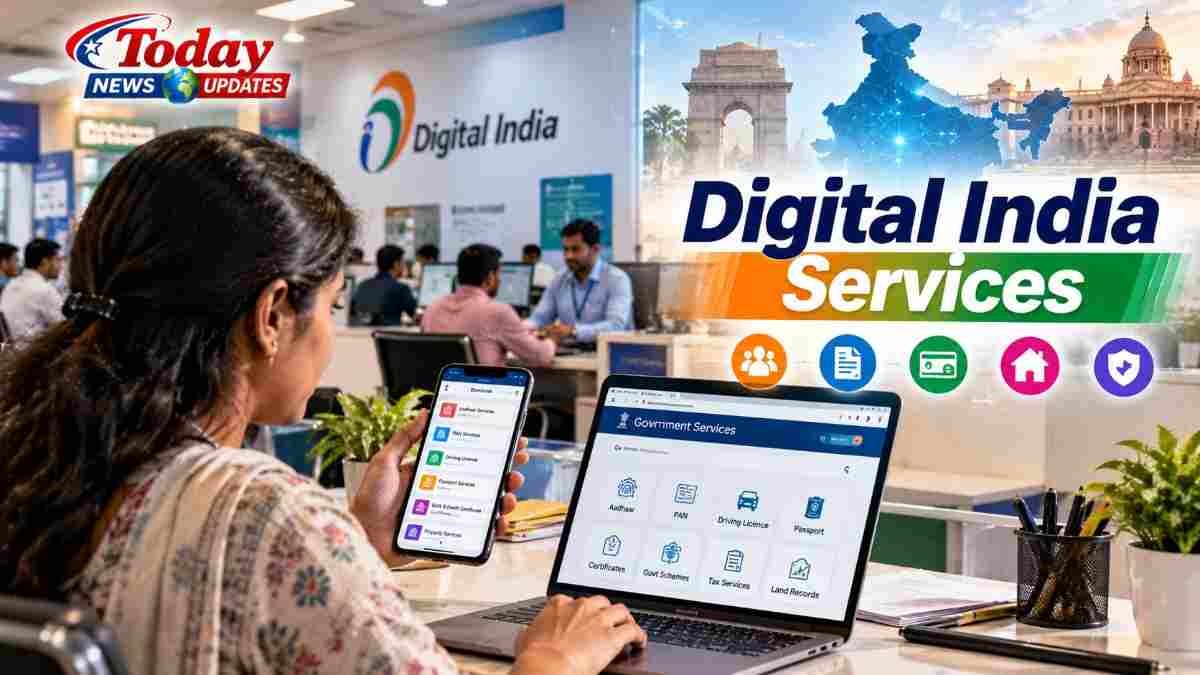
This is one reason Digital India Services have become increasingly important in everyday life. Many government services can now be accessed through websites, mobile applications and assisted digital service centres. People can check information, retrieve certain documents, submit applications and track services without always making a physical visit.
However, knowing that a service exists online and knowing how to use it correctly are two different things. Understanding the available platforms, their limitations and the precautions needed can make the experience considerably easier.
What Are Digital India Services?
Digital India Services refers to the online facilities and digital platforms that help people access government information, documents and public services.

The Digital India programme was launched in July 2015 to expand digital access and improve the delivery of government services. Its broader objectives include making public services more accessible, encouraging digital literacy and strengthening India’s digital infrastructure.
These services cover several everyday needs, including identity-related facilities, educational documents, transport services, benefit applications and access to government departments.
The important point is that digital governance does not mean every government procedure has moved entirely online. Some services can be completed digitally, while others may still require document verification, an appointment or a visit to the relevant office. Requirements depend on the particular service and the department responsible for it.
Digital India Services People Can Use in Everyday Life
The easiest way to understand the programme is to look at situations people encounter regularly.
1. DigiLocker for Digital Documents
Imagine travelling for an important appointment and realizing that a required document has been left at home. Situations like this explain why digital document access can be useful.
DigiLocker is a government-backed platform that allows users to access eligible digital documents issued by participating organizations. Depending on availability, these may include driving licences, educational certificates and other official records.
Users can retrieve documents from participating issuers and share them digitally where accepted.
There is an important distinction, though. A document fetched from its original issuer is not the same as an ordinary photograph or scan uploaded by a user. Before relying on a digital document for a particular application, check the receiving organization’s requirements.
DigiLocker can be accessed through its official platform.
2. UMANG for Multiple Government Services
Finding the correct website can sometimes be more difficult than completing the actual application. Different departments maintain different systems, and people may not know where to begin.
UMANG, short for Unified Mobile Application for New-age Governance, brings together services from participating central and state government departments through a common platform.
Depending on the service and eligibility requirements, users may find facilities relating to government schemes, utility bills, employment-related services, pensions and other public services.
The platform’s official information reported that 2,575 services were available as of July 31, 2026. This figure illustrates the range of facilities available through the platform, although the services relevant to an individual depend on their state and circumstances.
Rather than assuming every service is available in one place, search for the specific department or facility you need.
3. National Government Services Portal
Sometimes, people do not need a particular application immediately. They first need to understand which department handles their request.
The National Government Services Portal helps users discover services offered by different government organizations. Its categories cover areas such as education, healthcare, transport, employment, agriculture, pensions and financial services.
For example, a student looking for an education-related facility and a farmer searching for an agricultural service may need completely different government departments.
A searchable portal can help narrow the options and identify the relevant service.
Before submitting personal information, confirm that the application process belongs to the responsible department and that you have selected the correct state or service.
4. Common Service Centres for People Who Need Assistance
Online services are not equally easy for everyone to use.
A person who is unfamiliar with smartphones, has limited internet access or struggles with an online form may need assistance. This is particularly relevant in rural communities and areas where reliable connectivity remains a challenge.
Common Service Centres, commonly known as CSCs, help people access various government and other digital services through assisted service delivery.
Depending on the centre and the service, assistance may include applications, document-related tasks, bill payments and access to eligible public facilities.
Before using a centre, ask what the service involves, whether an official fee applies and whether a receipt will be provided. Never leave original documents or disclose confidential information without understanding why they are required.
How to Access Digital India Services Safely
The convenience of online government services also brings a responsibility to protect personal information.
Start by identifying the official platform for the service you need. Search results and advertisements can sometimes lead users to unofficial websites that resemble government portals.
Check the website address carefully before entering personal information. Do not assume that a website is genuine simply because its design includes a government emblem or official-looking language.
Be cautious about unexpected phone calls or messages claiming that your Aadhaar, bank account, pension or government benefit will be blocked unless you act immediately.
Never disclose your banking PIN, passwords or one-time passwords to an unknown caller. An individual claiming to help with a government application does not automatically have the authority to request sensitive information.
When using a public computer or an assisted service centre, sign out of your accounts after completing the task. Avoid saving passwords on shared devices.
Finally, keep application numbers and acknowledgements where you can retrieve them later. These details can be useful when checking application status or contacting the responsible department.
Common Problems People Face With Online Government Services
Digital services can save time, but the experience is not always straightforward.
An application may fail because a required field is incomplete. A registered mobile number may no longer be active. A document may not appear because the issuing organization has not made it available through the platform. A website may also experience temporary technical problems.
When something goes wrong, avoid immediately submitting the same application several times.
First, check the application status and read the error message carefully. Confirm that your personal details match the information required by the relevant department.
If the problem continues, use the official helpdesk or grievance mechanism for that service. Keep your acknowledgement number and relevant evidence available when requesting assistance.
It is also worth remembering that a successful online submission does not necessarily mean an application has been approved. Some services require further verification or additional action.
Can People in Rural India Benefit From Digital India Services?
Digital public services can be especially valuable for people who live far from administrative offices.
A farmer may need information about an agricultural programme. A student may want to retrieve an educational document. A pensioner may need to check a service or application. Online access can reduce the need for certain journeys when the relevant facility is available digitally.
However, access depends on more than the existence of a website.
Internet connectivity, language options, digital literacy, device availability and accessibility all influence whether people can use a service successfully. Assisted facilities such as Common Service Centres can help address some of these barriers, although their availability and capabilities vary by location.
The long-term value of digital governance therefore depends not only on adding more services, but also on making existing services understandable, reliable and accessible to the people who need them.
What the Future of Digital India Services Could Mean for Citizens
As more departments adopt digital processes, citizens may find it easier to discover services, manage documents and follow application progress through online platforms.
The benefits will depend on how well these systems work in practice. Clear instructions, reliable websites, strong privacy safeguards and accessible support remain essential.
Government departments must also ensure that people who cannot comfortably use digital platforms are not left without a practical way to access necessary services.
For citizens, the best approach is to become familiar with the official platforms relevant to their needs, verify information before acting and keep records of important applications.
Digital India Services are changing how people interact with government departments, from retrieving documents to discovering public facilities and completing eligible online applications.
Platforms such as DigiLocker, UMANG and the National Government Services Portal can help users find services without navigating every department independently. Common Service Centres also provide an assisted option for people who need additional support.
The real benefit comes from knowing which platform to use, understanding the requirements and protecting personal information throughout the process.
Digital services will not eliminate every administrative difficulty, but using them carefully can make many everyday government-related tasks easier to manage.