
Table of Contents
India-US Trade Deal 2026: Why Negotiations Face Fresh Challenges
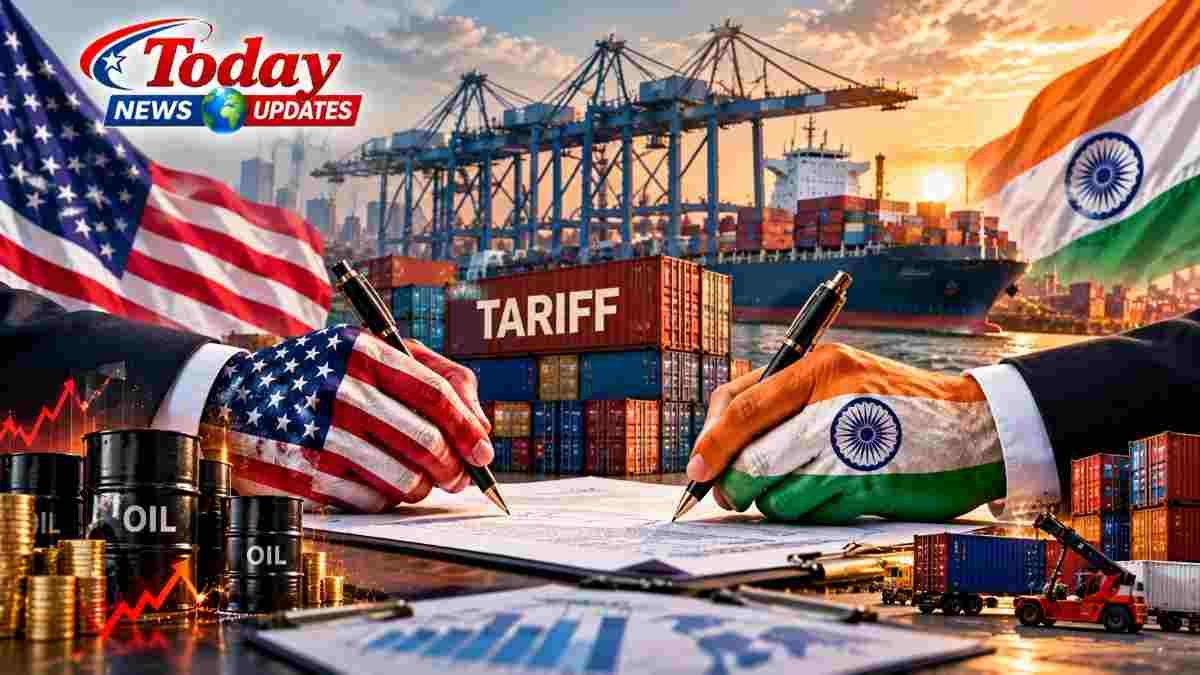
The India-US Trade Deal 2026 remains an important issue for businesses, exporters and policymakers as negotiations face difficulties over tariffs, market access and broader economic disagreements. Officials from both countries have indicated that finalising an agreement remains challenging, even as discussions continue.
The outcome matters because the United States is a major destination for Indian exports. A trade agreement could give businesses greater clarity, while prolonged uncertainty may affect investment decisions, pricing, and export planning.
Why Are India-US Trade Negotiations Facing Challenges?
India and the United States have been working towards a bilateral trade agreement intended to strengthen economic ties and address differences over market access.
However, negotiations have encountered several obstacles. According to reporting in October 2026, discussions have reached a difficult stage, with officials indicating that further concessions may be challenging.

One central issue is tariffs. Import duties can make products more expensive in overseas markets, affecting their competitiveness. Indian exporters want predictable terms so they can plan production, pricing and long-term contracts.
The United States has also raised concerns connected to India’s purchases of Russian oil. Trade and geopolitical issues have therefore become closely linked, complicating efforts to reach an agreement.
How Could Tariffs Affect Indian Businesses?
Tariffs can influence the cost of goods moving between countries. When duties increase, exporters may have to reduce profit margins, negotiate with buyers or reconsider their pricing strategies.
The effects can differ between industries. Manufacturers, textile businesses, engineering companies and other exporters may face different cost pressures depending on the products they sell and the applicable tariff rules.
Smaller businesses may be particularly sensitive to uncertainty because they often have fewer resources to absorb sudden cost increases.
However, the actual impact depends on the final tariff arrangements, product categories, exemptions and any changes introduced during negotiations. Businesses should therefore avoid assuming that every Indian product faces the same duties.
Why Is Agriculture a Sensitive Issue?
Agriculture is one of the important areas in India-US trade discussions.
India seeks to protect sensitive domestic agricultural interests while pursuing improved access for its exporters. Changes to agricultural market access can affect farmers, food producers and rural businesses.
The United States, meanwhile, seeks improved access for its goods and fewer barriers in selected sectors.
Negotiators must balance these commercial objectives with domestic economic priorities. This makes agriculture a particularly difficult area in which to find mutually acceptable terms.
The final outcome could influence the range of products traded between the two countries, but the consequences will depend on the agreement’s specific provisions.
What Role Does Russian Oil Play?
India’s energy requirements add another dimension to the negotiations.
India has continued to purchase Russian oil as part of its approach to meeting domestic energy demand. Washington has raised concerns about these purchases, linking the issue to wider sanctions and trade-policy debates.
For India, energy security involves securing sufficient supplies at manageable costs. For the United States, the issue forms part of its broader approach to Russia and international economic pressure.
These competing priorities demonstrate how trade negotiations can extend beyond conventional questions about import duties and export opportunities.
What Happens Next for the India-US Trade Deal 2026?
The next stage depends on whether both governments can resolve their differences over tariffs, agriculture, energy-related concerns and market access.
A final agreement could improve predictability for businesses and establish clearer rules for bilateral trade. However, negotiations may remain difficult if either side believes the proposed terms do not adequately protect its economic interests.
Indian companies can prepare by monitoring official announcements, reviewing their exposure to the US market and exploring opportunities in other export destinations.
The India-US Trade Deal 2026 remains significant for exporters, manufacturers and the wider economy. Tariffs, agricultural protections and disagreements over Russian oil continue to complicate negotiations.
Although a completed agreement could provide greater certainty, its effects will depend on the final terms. Until then, businesses should follow official developments and assess how potential changes could affect their individual industries.